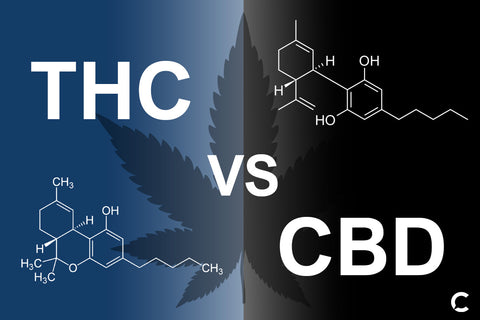
Clinical evidence supports 25 to 50mg of CBD daily for reducing muscle soreness. Coordination is significantly impaired and heart rate increases notably at higher dosages. Athletes can refer to a guide on THC and CBD edibles that provides insights on how to integrate cannabinoid use with training schedules, especially for those who are new to flower. As long as individuals maintain transparency about the actual effects of cannabis compared to their expectations — this trend is beneficial for the fitness culture. A generation focused on fitness is more inclined towards enjoying sustainable practices rather than solely chasing peak performance metrics. The benefits of cannabis for fitness are enhanced when low doses of THC are utilized for enjoyment while CBD is taken regularly for recovery, with the timing and format of products aligned to the type of workout.
These formulations appeal to consumers prioritising wellness benefits without significant psychoactive effects. Despite their popularity, these potent options require careful consideration of the risk-benefit equation. High-THC products offer modest short-term chronic pain relief but increase side effects compared to balanced formulations. Several key trends dominate the market, each offering distinct advantages for health-conscious adults seeking natural alternatives. For insufficient symptom relief — carefully titrate THC upward whilst maintaining safety margins. Integrating cannabis into your wellness routine requires careful consideration of emerging trends — product types, and personalised dosing strategies.
Brands that break category boundaries (showcase scientific expertise), and deliver real value will convert today’s wellness consumers. Older generations are following their lead — expanding the overall market. Gen Z and millennials are redefining what healthy means (adopting longevity tech), personalized rituals, and science-backed products. Biotech-integrated tools with clinical proof are cutting through the noise. Without hard data, it’s tough to know whether a gadget actually improves HRV or simply feels cozy.
The Yard Expands in SF, Eyes National Expansion With Private Training Pod Model
If used carefully and respectfully, it can assist you in achieving your long-term wellness aspirations. Incorporating cannabis into daily routines is simple (as it aids in fitness recovery), and using edibles is quite convenient. A return to balanced living is evidenced by holistic care, tailored plans, clean products, and mindful usage.
USES IN REAL-WORLD SCENARIOS
As the name suggests, it’s effectively just running backward. And one novel technique steadily growing in popularity is “reverse running”. “Red light therapy belts” have 99X+ growth over the last 5 years. The belts are wearable devices designed to provide targeted relief. Now a staple in skincare, red light treatment also has alleged benefits for muscle pain relief and even fat reduction. That said — there are a few relatively modern-day diet trends that don’t appear to be going anywhere.
How The Shed achieved 220% revenue growth with bsport, and what it choosing strains for targeted therapeutic goals reveals about running and growing a modern studio. Health tech isn’t sitting on the sidelines of fitness and wellness anymore, it’s becoming the operating… Loyalty programs retain 69 percent of users, while word-of-mouth and local search-engine optimization drive 41 percent of new customer discovery. 64 percent of consumers now say relaxation, not intoxication — is their primary reason for using cannabis, underscoring the category’s shift toward wellness-driven demand. As someone deeply immersed in the wellness industry — my prediction for 2025 is that we’ll see a significant rise in at-home kits and lab tests seamlessly integrated with wearables and AI to track progress.
Now more than ever, people are looking for the sense of community that boutique clubs typically provide. The rise of boutique studios looks set to continue throughout 2026 and beyond, albeit at a slower rate than previously seen. Here are some key statistics that outline its size (growth), and consumer base…
Professional growth in the fitness industry comes from staying connected to the ideas (people), and wellness trends that are shaping what clients expect next. Whether it’s a group run (a wellness retreat), or a virtual workout powered by AI, the focus is on shared experiences, sustainability, and enjoyment. It’s such a fantastic destination for creatives to go pre and post movement to chat all things running, and the food / coffee offering is so spot on! They’re also becoming hotspots for brand and PR launches / networking events, fostering a sense of community while offering unique opportunities to connect and collaborate.
The statistics shared in this article also provide glimpses as to where the future may take us. As cardiovascular disease and the obesity epidemic continue to rise — the industry will play an increasingly important role in the health of global populations. Here are some insightful statistics on industry growth areas and trends that highlight key opportunities… So, which areas of the fitness industry hold the greatest growth potential? So although growth has slowed, the market is well established and consumer demand is likely to continue. They’re perfectly positioned to service Millennial members, offering personalised training and unique fitness experiences.
The Wearable Tech Market Explodes
Different products, cannabinoids, doses, and consumption methods should not be presented as producing identical effects. These attitudes help explain why cannabis and CBD products appear frequently in wellness and self-care conversations. Together (88% support legalization in at least some form), while 11% believe marijuana should not be legal. The 2026 legalization opinion survey found that 55% of U.S. adults support legal marijuana for both medical and recreational use. Dispensaries increasingly need accurate local listings, search visibility, usable menus, clear product information, customer retention, and differentiated retail experiences.
Wellness culture is fundamentally transforming American recreation, health systems, family decisions, urban planning, and even career trajectories by shaping how individuals live, age, and connect. Physicians express concern that the trend towards consumer-driven solutions might create a misleading sense of confidence (potentially leading to delays in seeking care; however), with labor shortages, the alternative is remaining uninformed. Critics say productizing care prices people out, but so do predatory insurance practices. Pursuing a $100B vision, the latter won an ITC suit against competitors, deepened ties with the US DoD, debuted primary care partnerships, and closed a $900M+ Series E at an $11B valuation.
This trend is driven by increasing consumer awareness and demand for more tailored health and wellness solutions. The emergence of personalized nutrition has had a profound impact on the health and wellness industry. Wearable devices — ranging from basic fitness trackers to advanced health management tools, now offer real-time data and personalized recommendations, enhancing healthcare outcomes and reshaping patient empowerment.